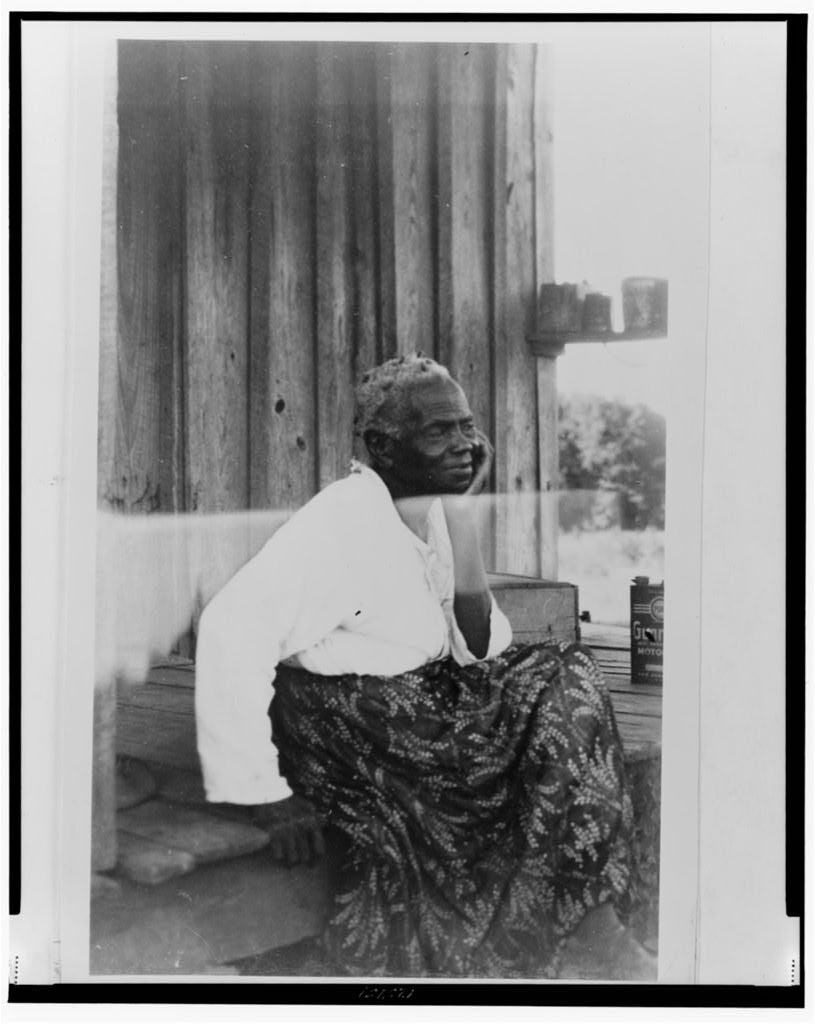
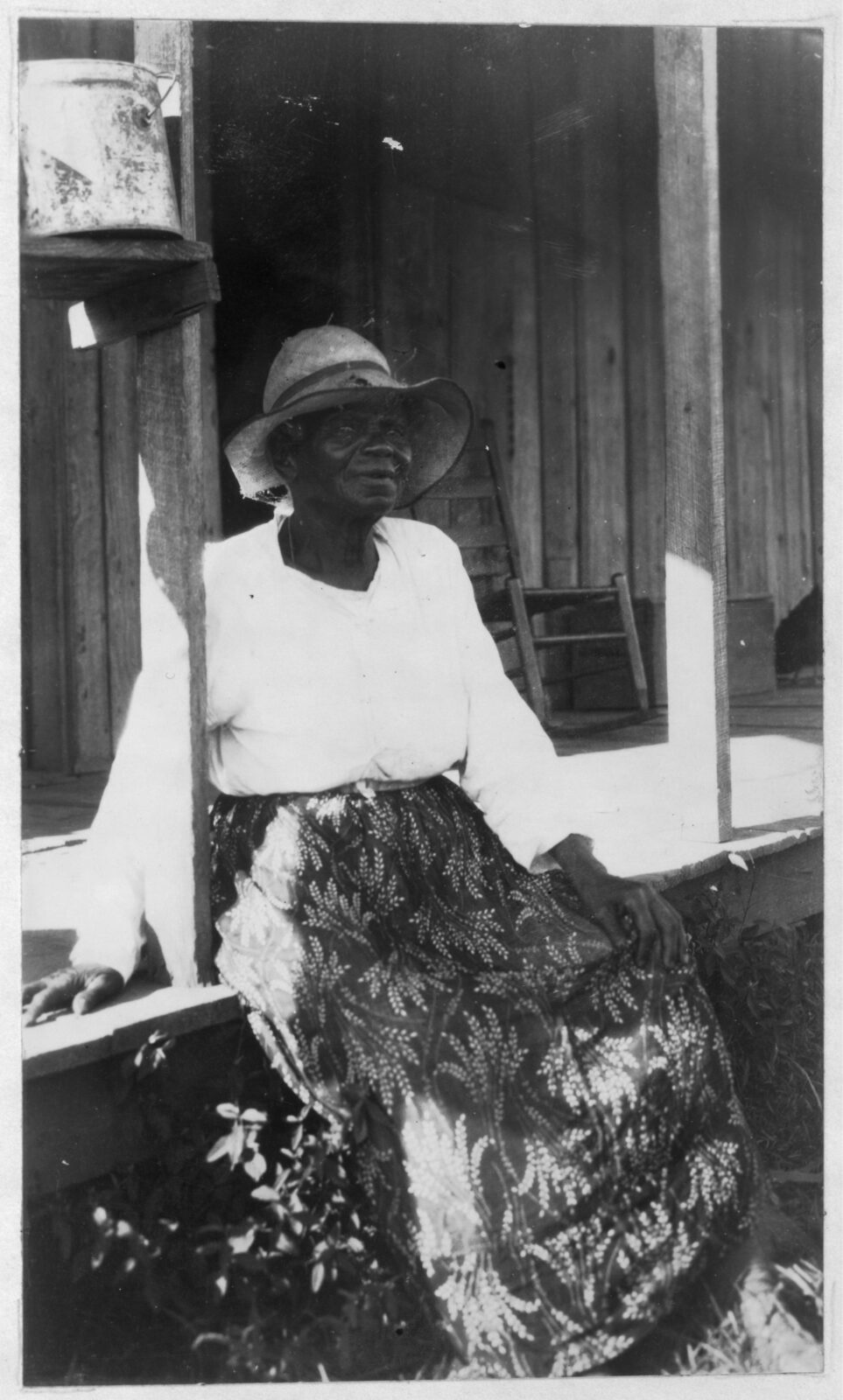
- Interviewed in
- Mississippi
- Age when photographed
- 84
Biography · formerly enslaved
Mollie Williams
A biography drawn from Mollie's own account is being prepared. Their own words are below.
n, Jane 125 128 135 143 151 Henry, Nettie Hodges, Fanny Smith Holliday, Wayne 61 68 72 Williams, Mollie Wilson, Tom 157 165 Johnson, Prince 76 Young, Clara C. 169 ILUJSTRATIONS Facing page Mollie Williams 157 Tom Wilson 165 Mississippi Federal Writers Slave Autobiographies & <^ <^ Jim Allen, West Point, age 87, lives in a shack furnished by the city* With him lives his second wife, a much older woman. Both he and Jiis wife have a reputation for being "queer" and do not welcome outside visitors* However, he readily gave an inter- view and seemed most willing to relate the story of his life* *Tas, ma9m, I members lots about slavfry time, was old 9 cause I f nough* "I was born in Russell County, Alabamy, an* can tell you bout my own mammy anf pappy an9 sisters an* brudders* "Mammy 9s name was Darkls an9 her Marster was John Bussey, a rag9lar old drunkard, an9 my pappy9s name was John Robertson an9 bflonged to Dr# Robertson, a big farmer on Tombigbee river, five miles east of Columbus* De doetor hisself lived in Columbus* "l^y sister Harriett and brudder John was fine fiel9 hands an9 Marster kep9 9 em in de fiel9 most of de time, tryin9 to dodge other white folks# "Den dere was Sister Vice an9 brudder George* Befo9 I could 9member much, I 'members Lee King had a saloon close to Bob Allen9s store in Russell County, Alabaigy, a^ (my mammy up. John Buasey drunk I means by dat, Lee King tuk her an9 my brudder George Page 2 241 Jim Allen, Clay Co, FEC Mrs. Ed Joiner fer a whiskey debt. Yes, old Marster drinked dem up. Den dey was carfied to Florida by Sam Oneal, an* George was jes a baby, de white folks wouldnt often separate de mammy an* baby, You know, I ain*t seen *em since, r*~^ ' Did I work? Yes ma*m, me an* a girl worked in de fiel*, I carryin* one row; you know, it tuk…
From the Federal Writers' Project slave narratives, 1936–1938. The interviewers wrote down their words in the 1930s, often in dialect spellings that reflect the interviewer more than the speaker.