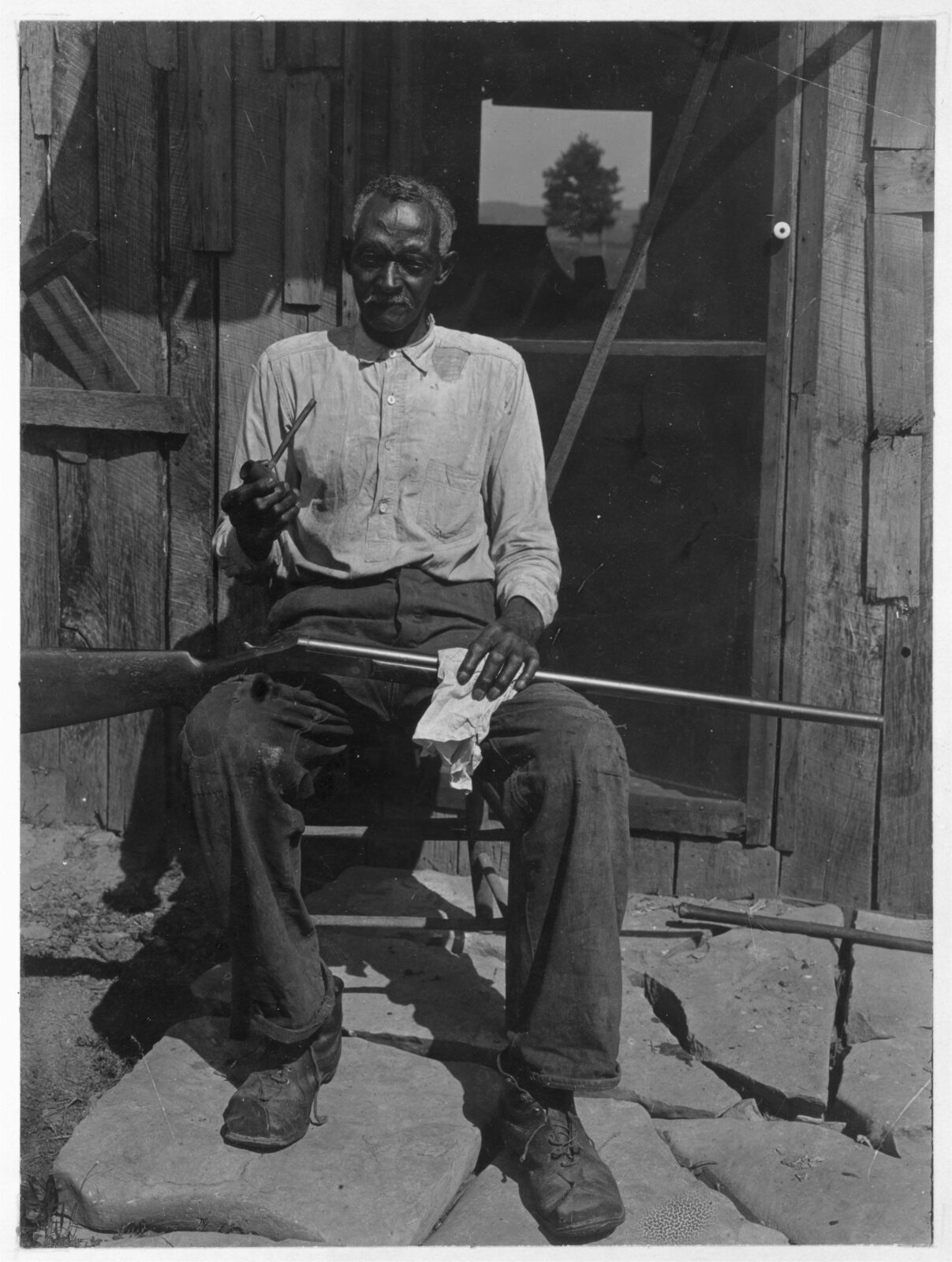
- Interviewed in
- Indiana
Biography · formerly enslaved
Peter Dunn
A biography drawn from Peter's own account is being prepared. Their own words are below.
eorge 196 Wamble (Womble), Rev. Watson, Samuel Whallen, Nancy Whitted, Anderson Woodson, Alex 198 206 209 211 214 64 67,72 77,81 84 96 98 101 105 107 111 113 116 118 ILLUSTRATIONS Facing page Peter Dunn John W. Fields Anderson V/hitted m Frontispiece 77 211 j&-.$lave Stories ){strict.ITo.. 5 fanderburgh ' oun ty jauana Creel fc ?hi3 i- written from an interview with each of the following; George ?/ T.cla, Professor 7,\ S. Best of the Lincoln High School and Samuel Bell, til of Svansville, Indiana. George '.7. Arnold was horn April 7, 1851, in Bedford County, Tennessee, was the property of Oliver P. Arnold, who owned a large farm or plantation ;n Bedford comity, ^is mother v/as a native of Home, Georgii where she re- ined until twelve years of age, when she v/as sold at auction. Oliver Arnold "bought her, and he also purchased her three "brothers" and Jie uncle. The four negroes were take:? al^ng with other slaves from Georgia Tennessee where they were put to work on the Arnold plantation* On this plantation George ",/. Arnold v/as horn and the child was allowed ;o live in a cabin with his relatives and declares that he never heard one them speak an unkind word about ITaster Oliver Arnold or any member of his bnly. "Happiness and contentment and a reasonable amount of food and clothes iemed to he- all we needed." said the now white-haired man. Only a limited memory of Civil 1.7ar days is retained "by the old man "but [e few events recalled are vividly described "by him. "Mother, my young "brother b sister and I were walking along one day. I donTt remember where we had parted "but we passed under the fort at Jjartrace. A "battle was JJI progress P& a large cannon was fired above us and we watched the huge hall sail throug [he air and saw the smoke of the cannon pass over…
From the Federal Writers' Project slave narratives, 1936–1938. The interviewers wrote down their words in the 1930s, often in dialect spellings that reflect the interviewer more than the speaker.