- Born
- About 1848; near Lafayette, Louisiana
- Interviewed in
- Texas
Valmar Cormier
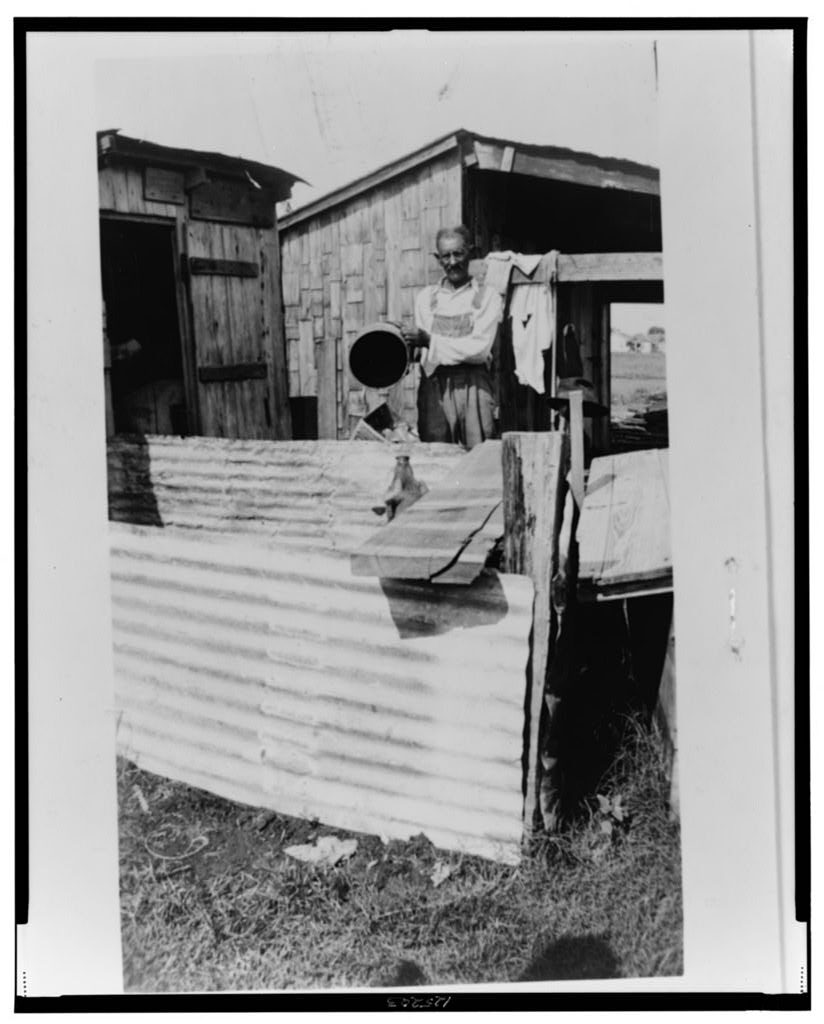
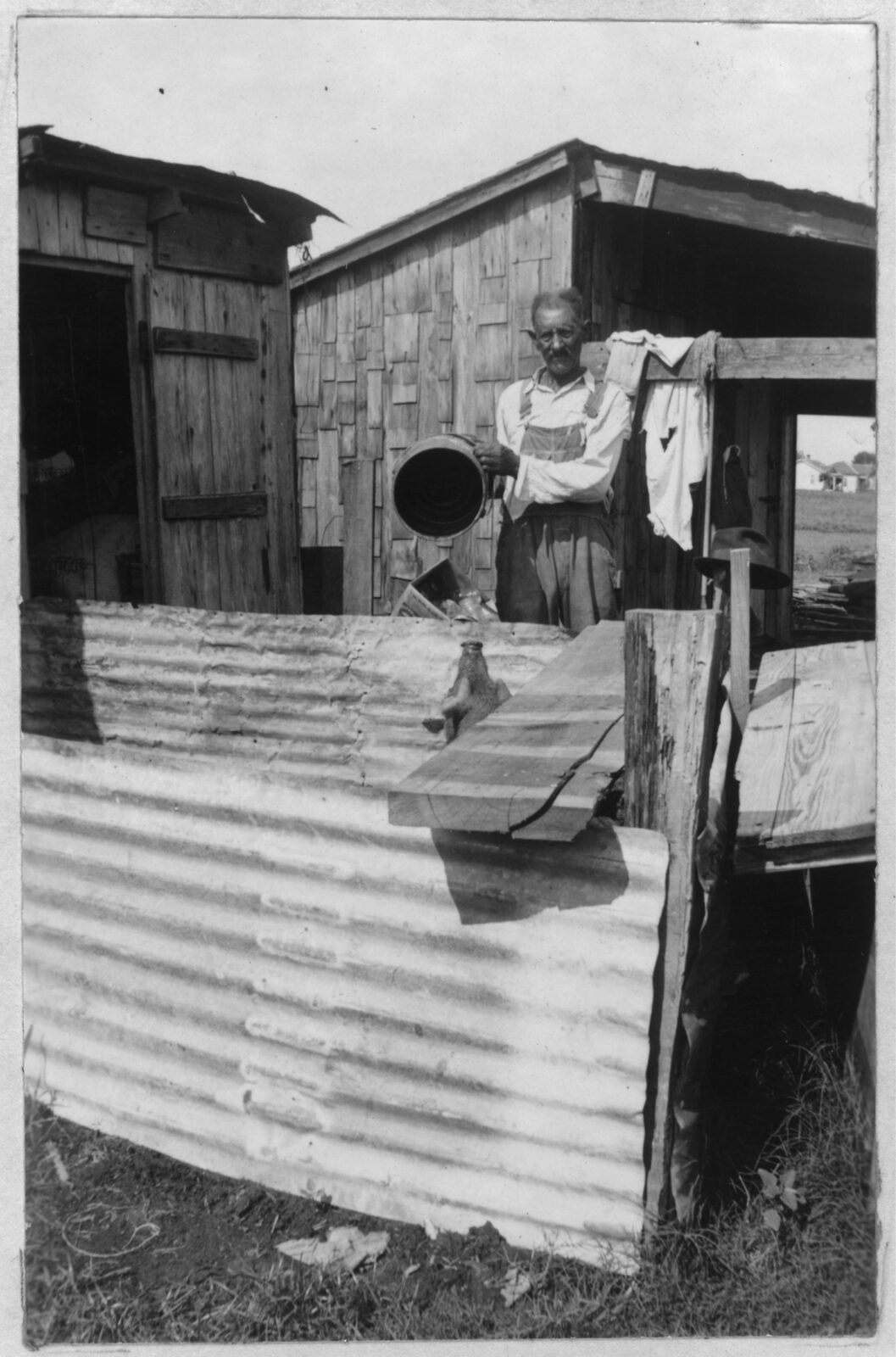
Valmar Cormier told his story in a mix of English and French. He was nearly ninety and was born near Lafayette, Louisiana, enslaved by Duplissent Dugat, a poor man who owned only two adults, Valmar's mother Coleste and his uncle, and two children, Valmar and his sister Mary. His father was a white Creole man, and Valmar did not use his father's name until after freedom. He remembered the enslaver playing the fiddle and making him dance as a little boy, and the day the man left for the war, where he was killed.
The family lived in a twelve-by-twenty-foot plank house with a dirt floor and cooked in a big iron pot with hot coals heaped on the lid. He described candle-making days, when neighbors gathered to turn saved tallow into three or four hundred candles, and making soap from tallow and fireplace lye. They ate coosh-coosh, fish, snails gathered in the woods, and crawfish the children caught by dropping a string baited with fat meat into their holes, then boiled or made into gumbo. During the war, when real coffee ran out, they parched and ground coffee weed.
When Union soldiers came he hid under the house, and his sister under the bed; the soldiers drove off the cattle, and the road was full of troops day and night. After freedom his mother kept working for the widow until she died. Valmar plowed and Mary picked cotton on another place. At twenty he married a French woman in a church ceremony performed by a priest, and they had nineteen children, so many, he joked, that they needed a map to keep track. He later moved to Texas and lived with his sister, Mary Moses, in the Pear Orchard settlement of Beaumont.
From the Federal Writers' Project slave narratives, 1936–1938. The interviewers wrote down their words in the 1930s, often in dialect spellings that reflect the interviewer more than the speaker.